Trading Menus for Dials: My Shift from **** & ***** to Fujifilm
Embracing analog dials, vintage aesthetics, and real-time feedback has transformed my photography and strengthened my connection with my subjects. This shift to Fujifilm has allowed me to engage more deeply in the creative process, enhancing my skills and my appreciation for photography.
After years of shooting with **** & *****, I never imagined leaving that system's familiar comfort. However, curiosity has a funny way of transforming our experiences. What began with the Fujifilm X-S10—a camera I picked up out of interest—eventually led me to explore the X-T4, X-Pro2, X-T5, and most recently, the X100VI.
This shift was not merely about trying new gear; it reshaped how I learn, shoot, and, most importantly, connect with the people I photograph.
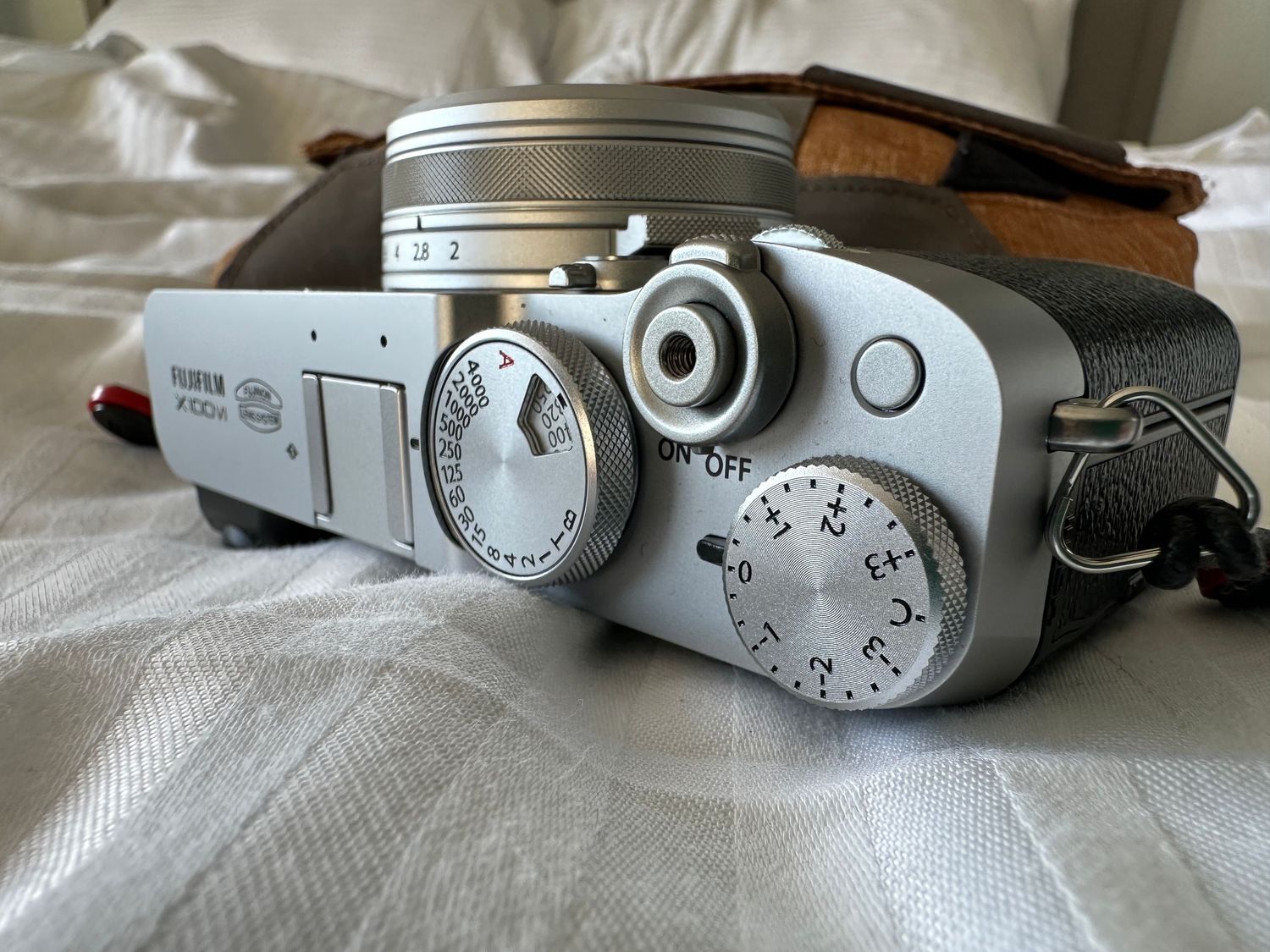
One of the first things that struck me about Fujifilm cameras was their intuitive use. The physical dials for shutter speed, ISO, and (on most lenses) aperture provided instant access to exposure controls without navigating through a menu.
This intuitive design slowed me down—in the best way possible. I began to think more intentionally about every shot. Adjusting exposure became a feeling rather than just a calculation. It made me more present and aware, sharpening my understanding of the relationship between light and shadow.
Fujifilm's tactile design transformed something technical into something artistic.
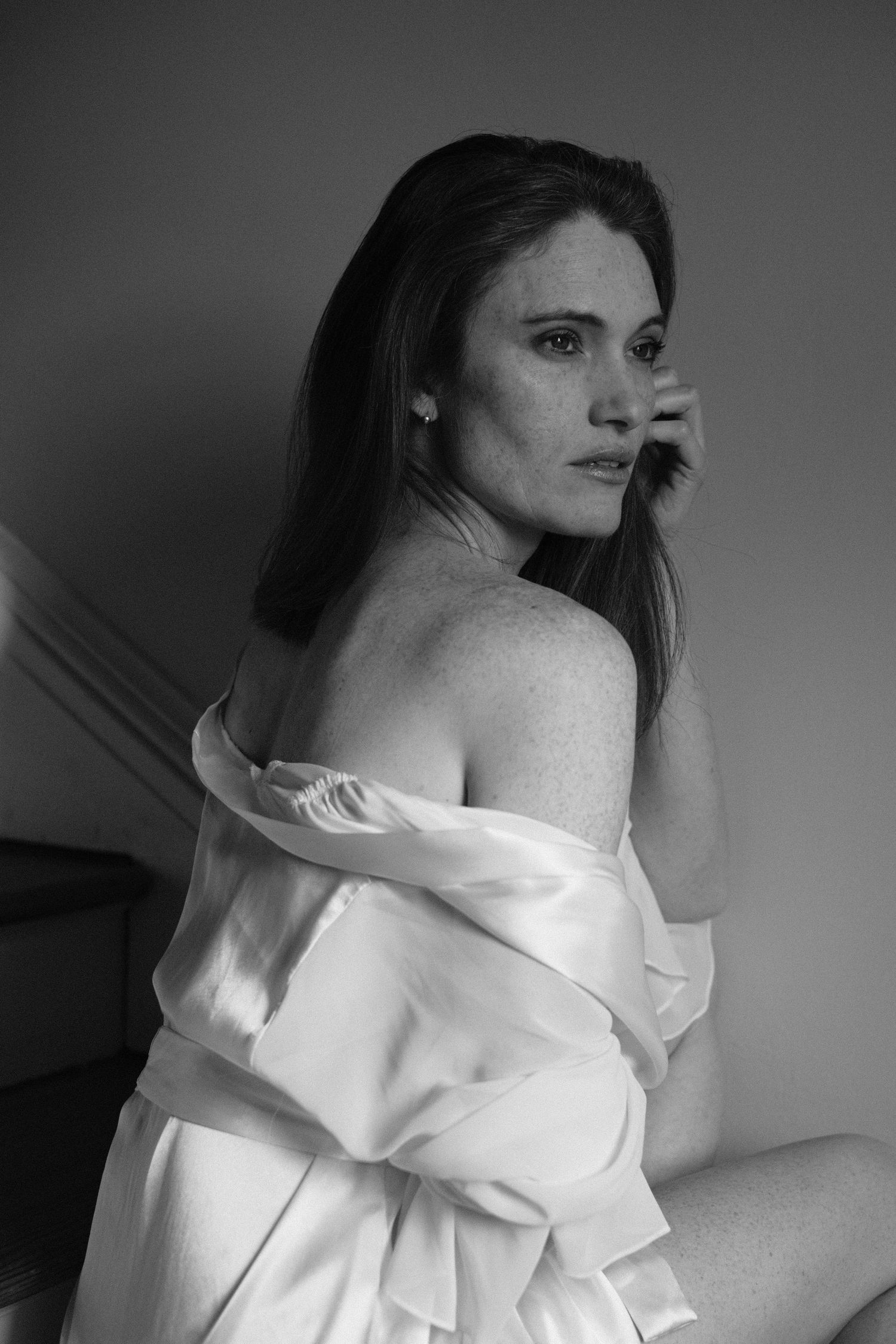
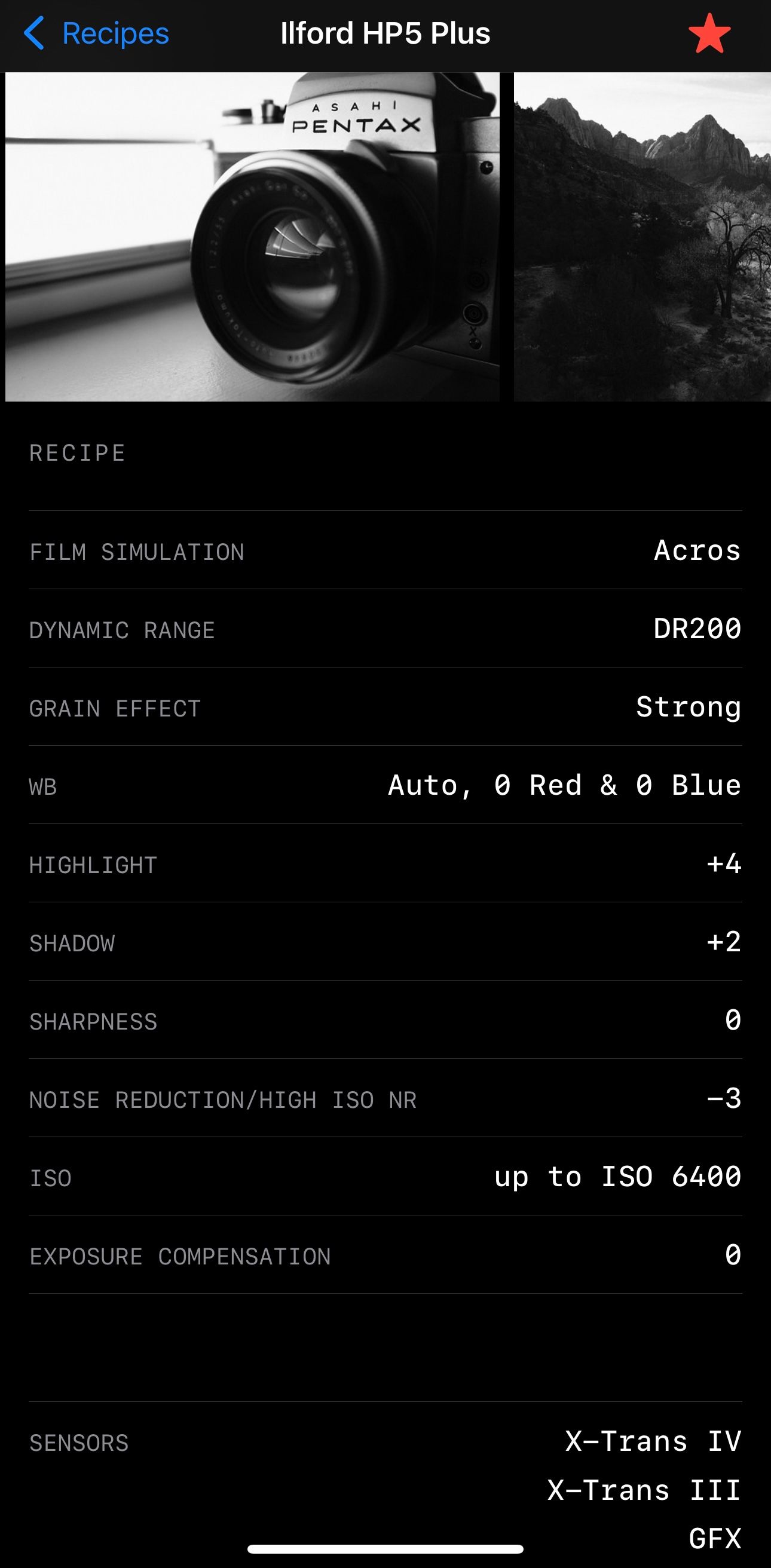
SOOC and unedited from X-Pro2/35mm f1.4 using Ilford HP5 film recipe for classic contrast and grainy texture straight out of camera.
Let's be honest—most modern cameras resemble high-tech gadgets. In contrast, Fujifilm cameras look like a tribute to the film era. Compact, beautifully designed, and refreshingly understated, these cameras quickly changed how people react to being photographed.
Many subjects ask me, "Is that a film camera?" This question always brings a smile, sometimes a story, and almost always makes the camera feel less intimidating. That vintage aesthetic reduces tension and invites trust.
Especially during portrait sessions, the camera's smaller size and unique look help people feel more at ease. It becomes a conversation piece, not just a machine pointed at their face. This comfort translates into more natural expressions and deeper engagement.

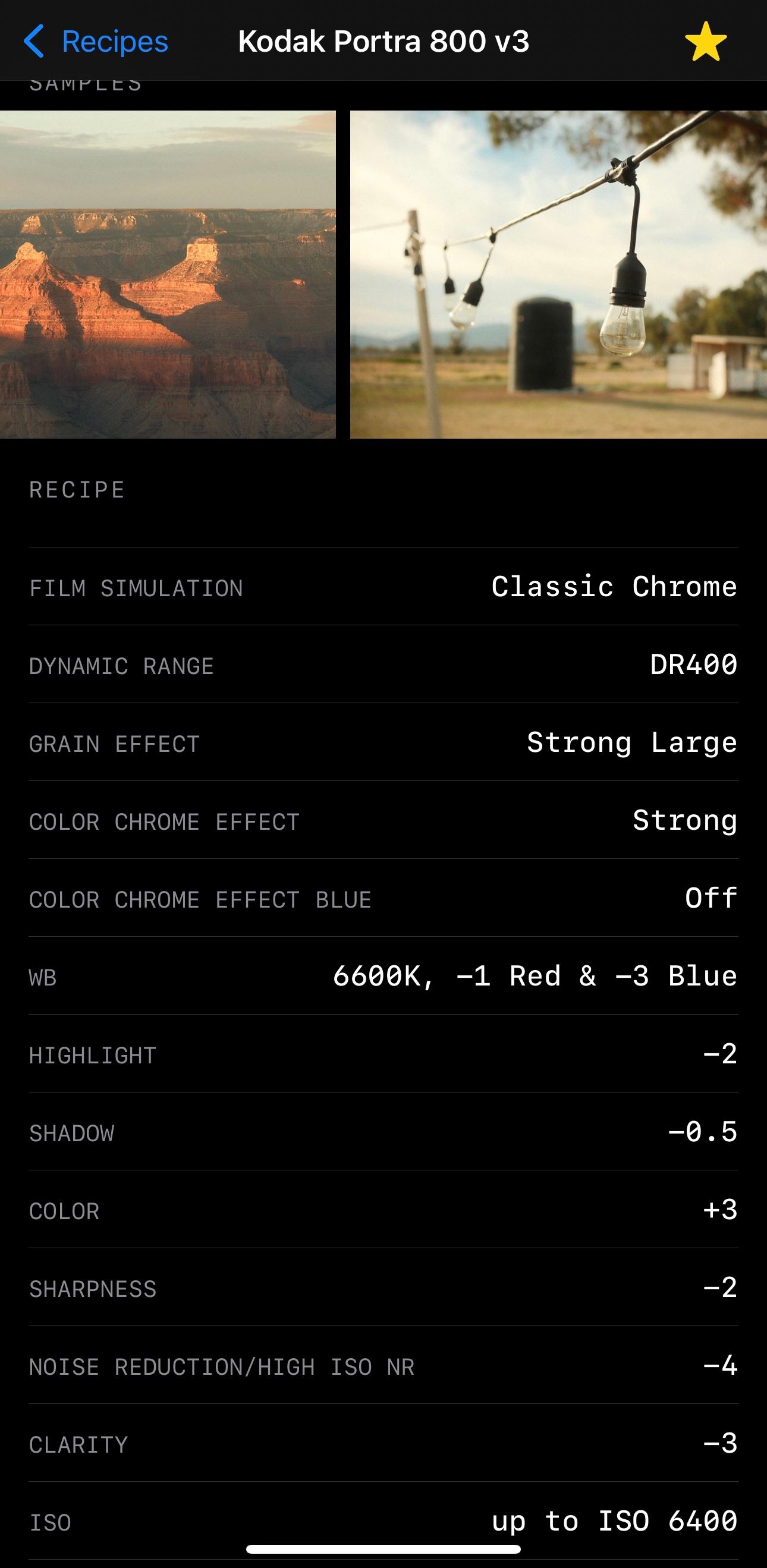
SOOC and unedited from X-T5/33mm f1.4 using a Portra 800 film recipe. I love how the tones and warmth come through straight out of camera.
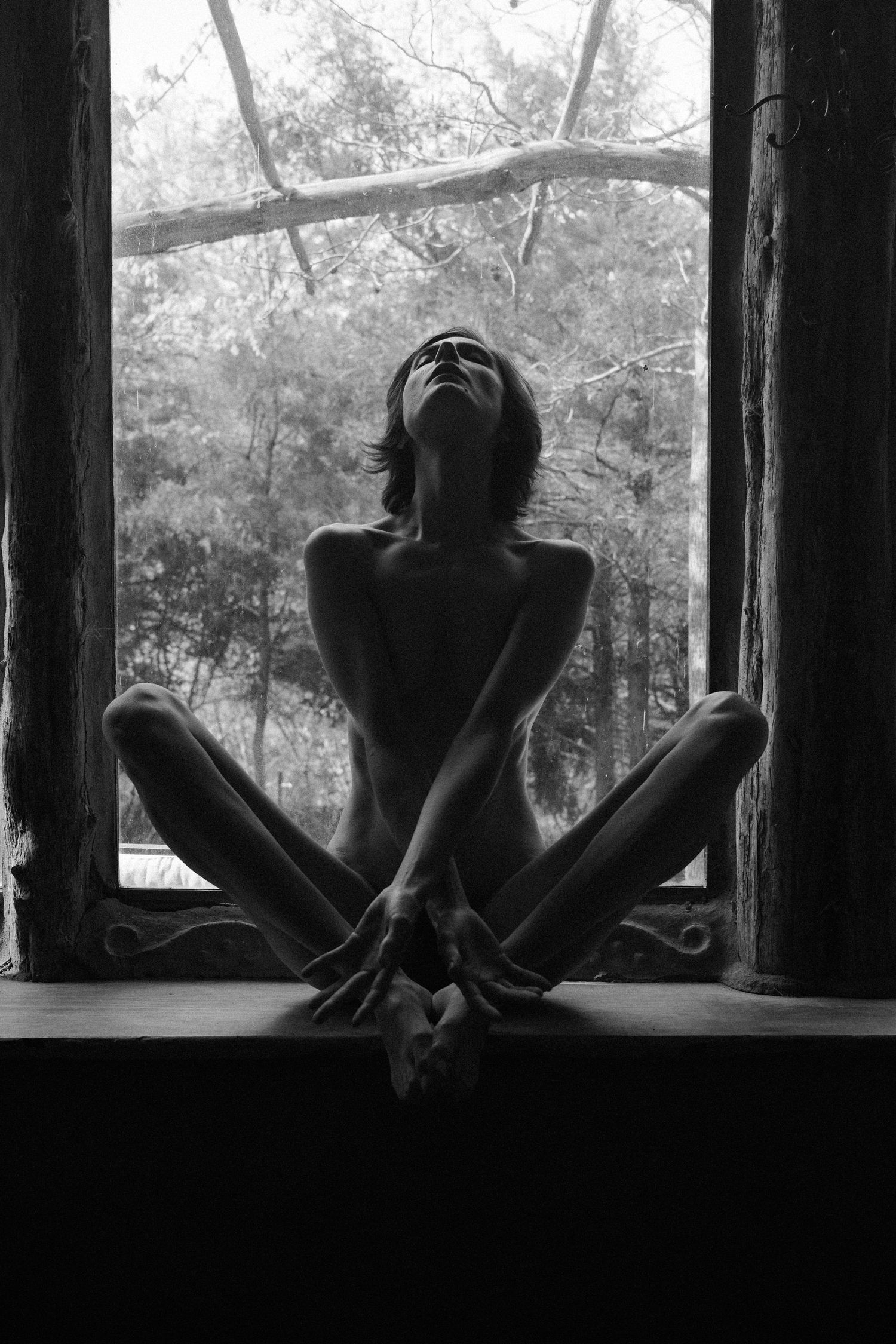
SOOC and cropped from X100VI using Ilford HP5 film recipe.
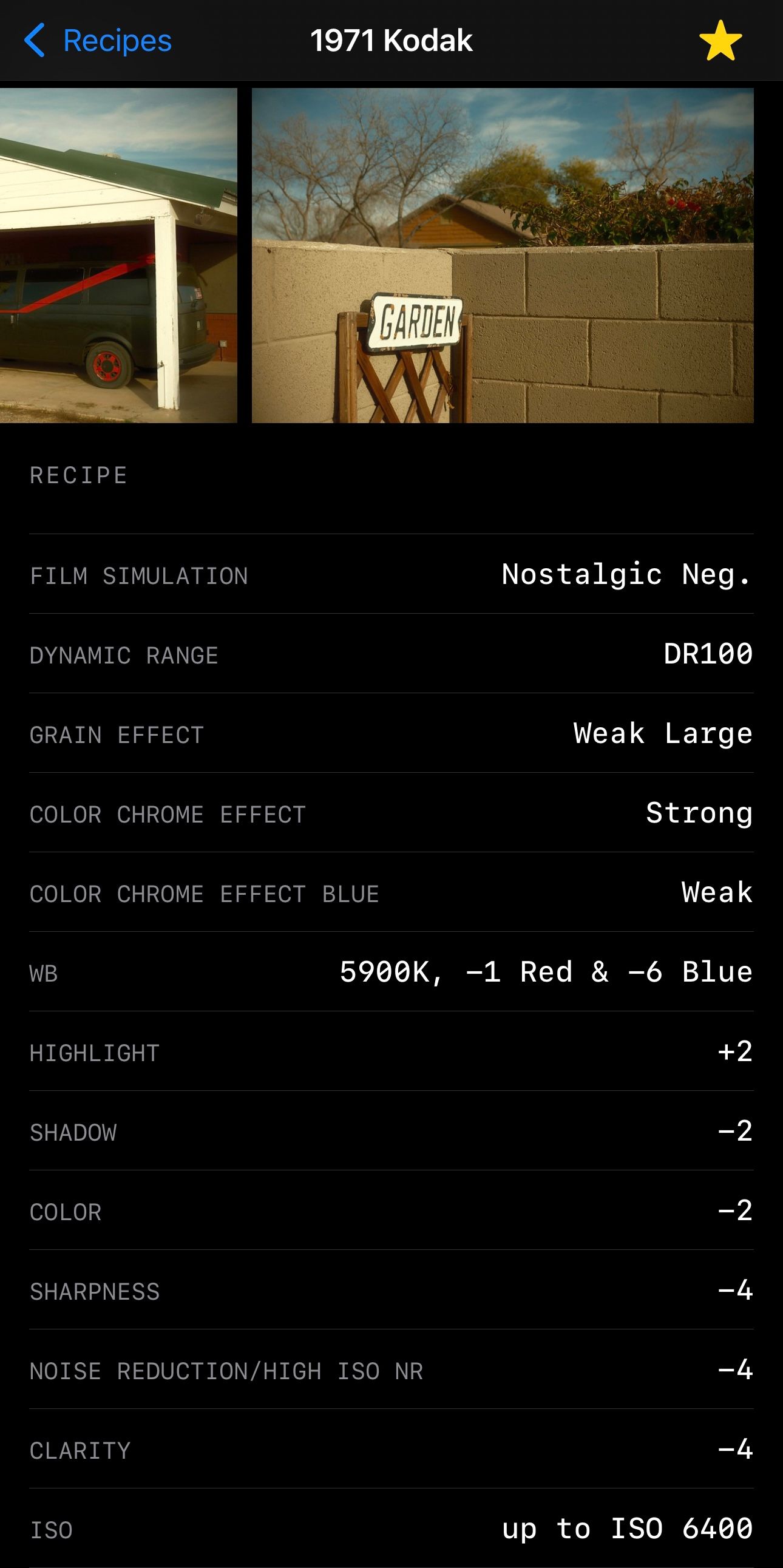
Another reason I fell in love with Fujifilm is the in-camera JPEG customization. Their film simulations and user-created "recipes" allow me to create images with a specific mood straight out of the camera.
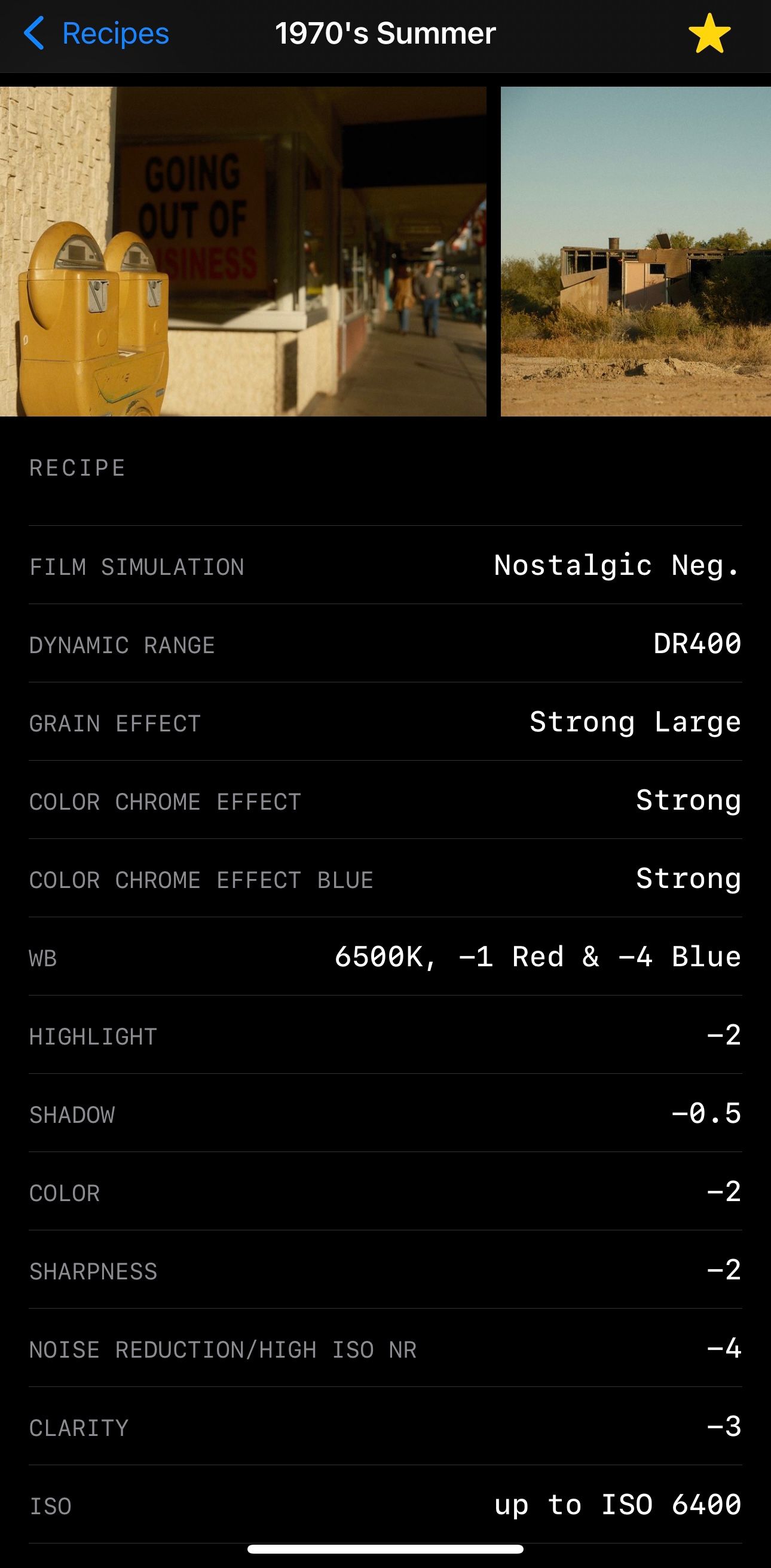
Whether channeling the soft, warm palette of Kodak Portra or the punchy grain of Ilford HP5, I can tailor each shoot's look to fit the story we're trying to tell.
What I love most is reviewing those JPEGs with my subjects during the shoot. When they see themselves in a styled, cinematic frame—before I've even touched Lightroom—it often sparks a shift.
It's not just about showing them the image; it's about sharing the vibe. They begin to adjust, posing more intuitively and connecting emotionally to the atmosphere we're building. This instant feedback makes the session feel collaborative, creative, and alive.
The reactions—the wows, smiles, and quiet confidence that emerge—make the process more rewarding.
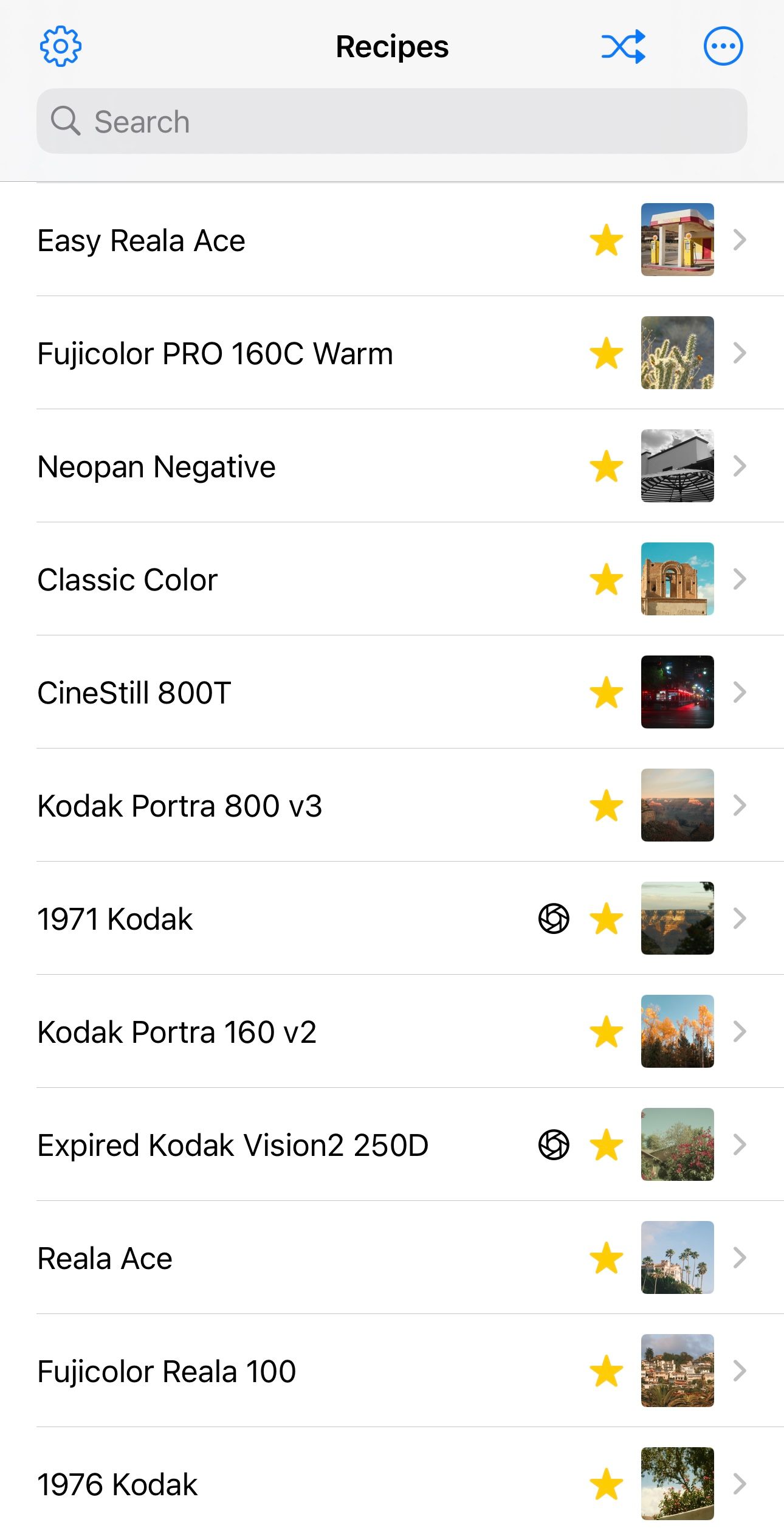
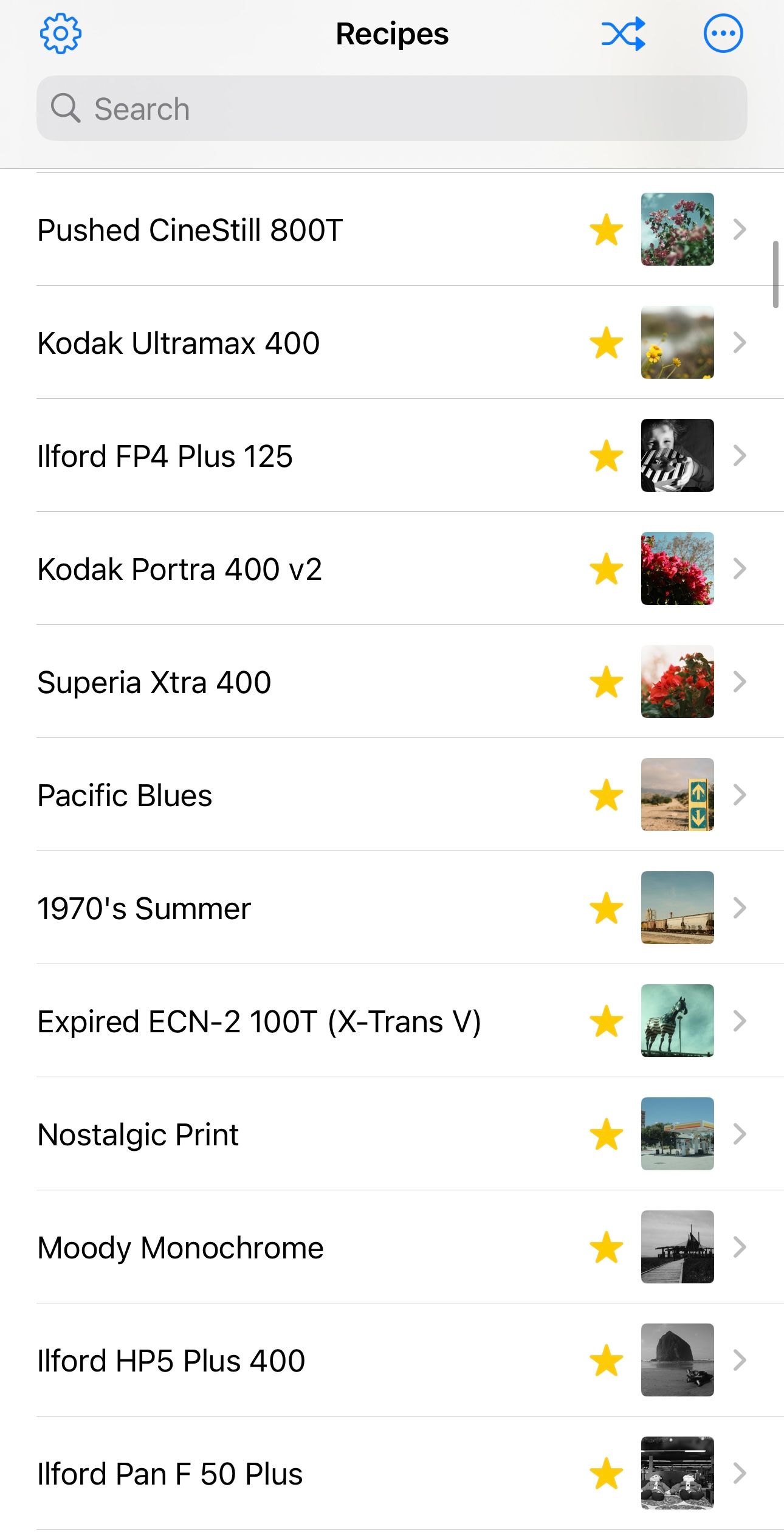
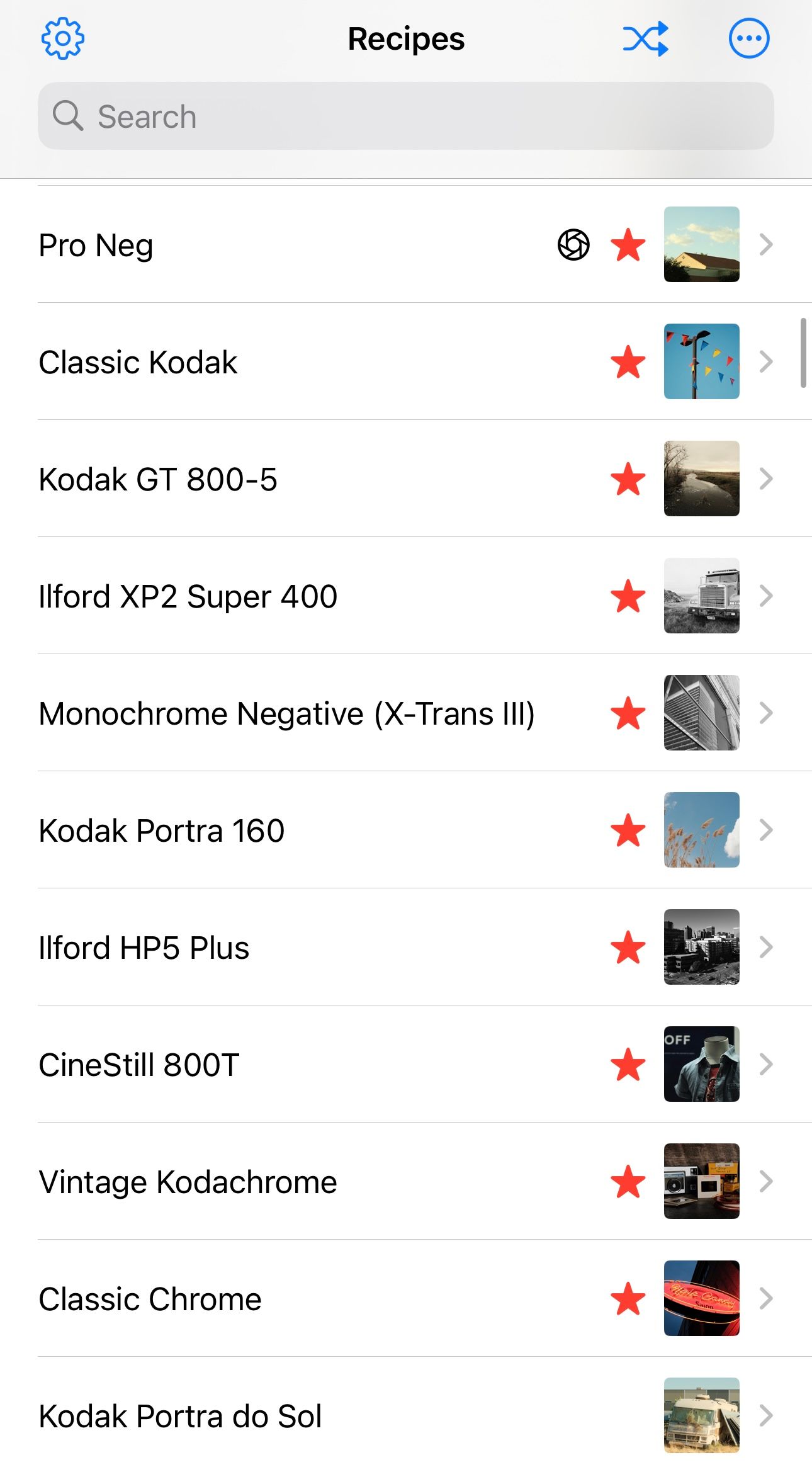
MY SAVED FUJIFILM RECIPES
YELLOW FOR X-T5/X100VI & RED FOR X-PRO2
Switching from ***** to Fujifilm wasn't about specifications, megapixels, or price. It was about finding a system that speaks the same creative language I do—one that makes photography feel tactile, expressive, and human again.
Fujifilm encourages me to slow down and shoot with intention. It invites my subjects into the process and allows me to chase emotion, not perfection.
If you want to feel more connected to your gear, subjects, and creative voice, Fujifilm might be a worthwhile leap.
-Andrew